
Structured Content Model
Atomic blocks separates content from layout using predefined, reusable content primitives aligned to your information architecture. Elementor binds content to page layouts, limiting reuse and long-term flexibility.

Enterprise WordPress Architecture
Elementor gives visual freedom but couples content to layout, which compounds technical debt as teams grow. The 40Q Atomic System is a governed, structured content architecture built for marketing autonomy, scalability, and AI-ready operations over the next 3–5 years.
Where Enterprise Teams Outgrow Page Builders
Elementor optimizes for visual assembly. Atomic optimizes for structured marketing operations.
Atomic blocks separates content from layout using predefined, reusable content primitives aligned to your information architecture. Elementor binds content to page layouts, limiting reuse and long-term flexibility.
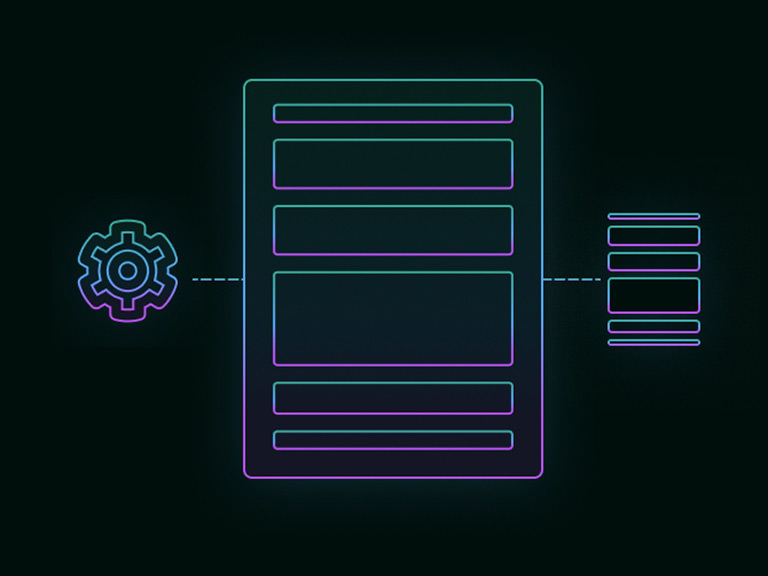
Atomic enforces layout rules, permissions, and modular constraints at the system level. Elementor relies on discipline and manual consistency across editors.

Atomic structures metadata, taxonomy, and modular blocks for personalization, experimentation, and AI workflows. Elementor outputs page-based content with limited structured reuse.
Deep Dive
| Atomic (Gutenberg) | Elementor | |
|---|---|---|
|
Architecture
|
||
|
Core-native
Built directly on Gutenberg APIs without replacing the native editor.
|
|
|
|
Vendor lock-in
How difficult it is to migrate content if the builder is removed.
|
Lower
|
Higher
|
|
Markup structure
Whether the system produces semantic, minimal HTML output.
|
Leaner
|
Nested
|
|
Roadmap alignment
Whether the system evolves with the official WordPress platform roadmap.
|
Core-aligned
|
Vendor-led
|
|
Developer control
How much control engineers retain over code, architecture, and extensibility.
|
|
|
|
Governance
|
||
|
Guardrails by default
Built-in constraints that prevent layout misuse and content fragmentation.
|
|
|
|
Brand consistency
Ability to maintain consistent design patterns across all pages.
|
|
|
|
Design freedom
Flexibility for editors to create layouts outside predefined structures.
|
|
|
|
Scales across teams
How well the system supports multiple editors and large marketing teams.
|
|
|
|
Reusable patterns
Ability to reuse structured components across many pages.
|
|
|
|
Editorial workflow
|
||
|
Structured content fit
How well the system supports structured, reusable content models.
|
|
|
|
Page building speed
How quickly editors can assemble and publish new pages.
|
|
|
|
Safe autonomy
Editors can work independently without risking layout or system stability.
|
|
|
|
Workflow predictability
Consistency of the editing experience across pages and teams.
|
|
|
|
Training overhead
Time required for new editors to become productive in the system.
|
Lower
|
Medium
|
|
Performance
|
||
|
Baseline overhead
Amount of additional code or processing introduced by the builder.
|
Lower
|
Higher
|
|
CWV effort
How much optimization is required to achieve strong Core Web Vitals.
|
Easier
|
More tuning
|
|
Script weight
Total JavaScript payload added to each page.
|
Lower
|
Higher
|
|
Caching friendly
Compatibility with caching layers and performance optimization tools.
|
|
|
|
High-traffic fit
Suitability for sites that receive large volumes of traffic.
|
|
|
|
Cost of ownership
|
||
|
Builder license
Whether a recurring license is required to operate the builder.
|
None
|
Paid
|
|
Upgrade risk
Likelihood that updates break layouts or require refactoring.
|
Lower
|
Medium
|
|
Migration effort
Difficulty of migrating content away from the system.
|
Lower
|
Higher
|
|
Tech debt risk
Probability of accumulating architectural complexity over time.
|
Lower
|
Medium
|
|
Long-term control
Ability to maintain independence from a specific vendor or tool.
|
|
|
| Atomic (Gutenberg) | Elementor | |
|---|---|---|
|
Architecture
|
||
|
Core-native
|
|
|
|
Vendor lock-in
|
Lower
|
Higher
|
|
Markup structure
|
Leaner
|
Nested
|
|
Roadmap alignment
|
Core-aligned
|
Vendor-led
|
|
Developer control
|
|
|
|
Governance
|
||
|
Guardrails by default
|
|
|
|
Brand consistency
|
|
|
|
Design freedom
|
|
|
|
Scales across teams
|
|
|
|
Reusable patterns
|
|
|
|
Editorial workflow
|
||
|
Structured content fit
|
|
|
|
Page building speed
|
|
|
|
Safe autonomy
|
|
|
|
Workflow predictability
|
|
|
|
Training overhead
|
Lower
|
Medium
|
|
Performance
|
||
|
Baseline overhead
|
Lower
|
Higher
|
|
CWV effort
|
Easier
|
More tuning
|
|
Script weight
|
Lower
|
Higher
|
|
Caching friendly
|
|
|
|
High-traffic fit
|
|
|
|
Cost of ownership
|
||
|
Builder license
|
None
|
Paid
|
|
Upgrade risk
|
Lower
|
Medium
|
|
Migration effort
|
Lower
|
Higher
|
|
Tech debt risk
|
Lower
|
Medium
|
|
Long-term control
|
|
|
Chosen by Teams That Need Autonomy
From fast-moving tech companies to regulated enterprises, organizations partner with 40Q to give marketing teams autonomy while maintaining security, governance, and control.




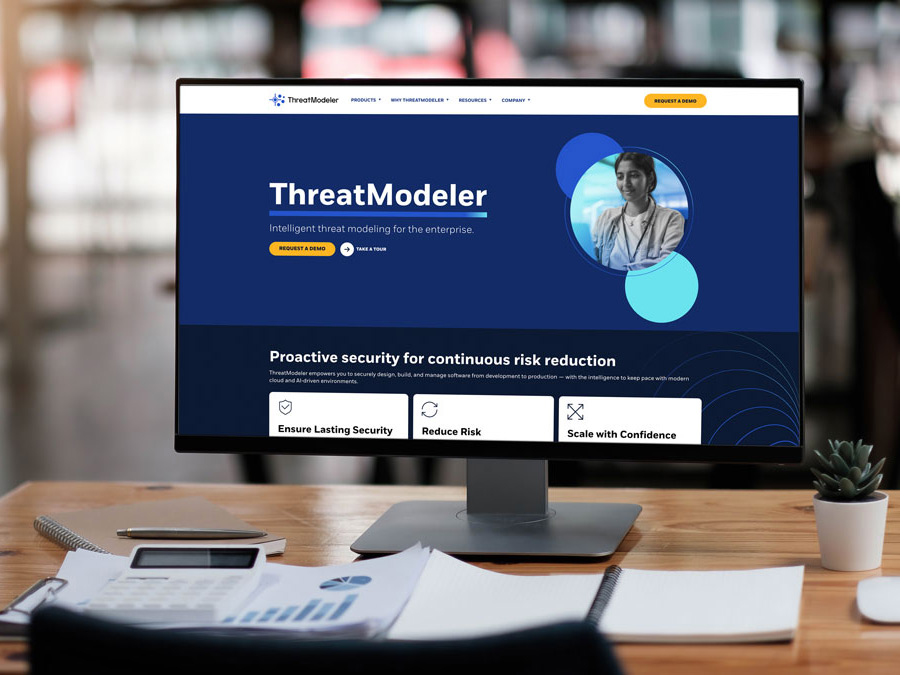
MIGRATION EXAMPLE
ThreatModeler needed marketing velocity without performance decay or governance drift.u003cbru003eWe rebuilt their architecture using a governed block system aligned to their content model.u003cbru003ePublishing stabilized. Performance improved. Technical debt stopped compounding.
What Changes After Migration
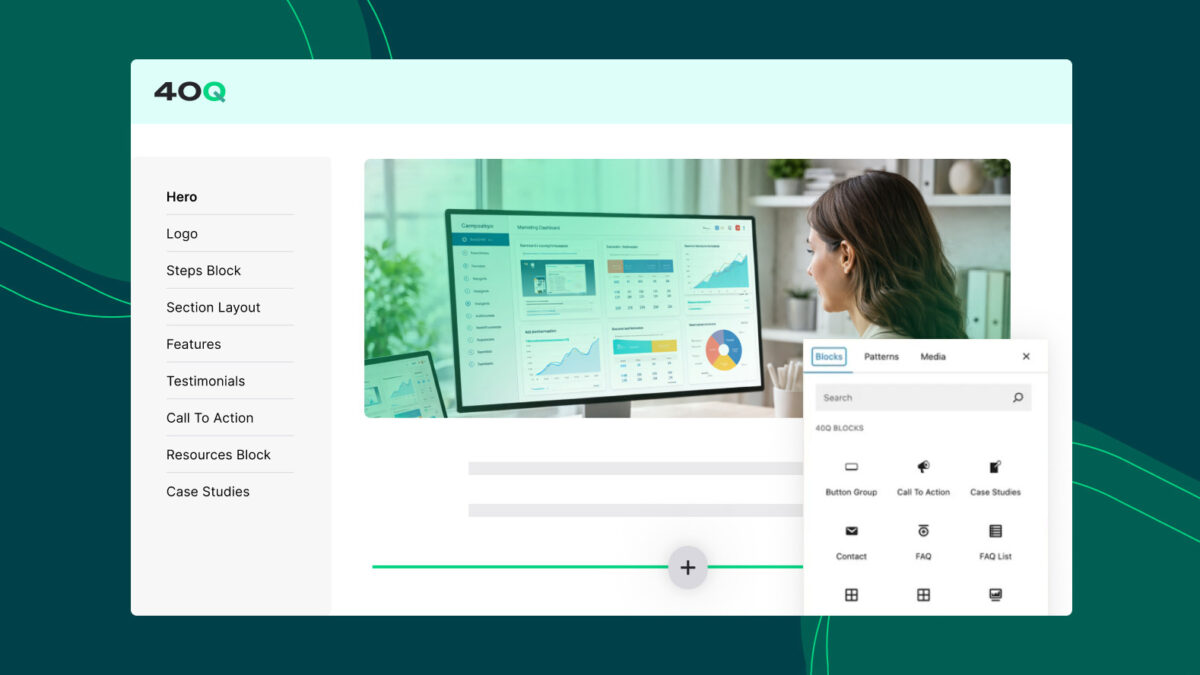
Marketing teams publish pages instantly using structured layouts that prevent design conflicts and eliminate dependency on development cycles.
Is Your CMS Slowing Marketing Down?
Evaluate content structure maturity, governance scalability, integration complexity, AI readiness and long-term operational risk
Decision Clarity
Choosing the right content architecture impacts publishing velocity, governance, and long-term flexibility. Below are the most common strategic concerns teams raise before committing to a platform.
Already Feeling Structural Friction?
Migration is not a redesign. It rebuilds your content architecture to restore marketing autonomy, enforce governance, and enable AI-ready growth at scale.