
Enterprise CMS Comparison

WordPress vs Drupal for Enterprise Teams

Drupal gives technical teams deep flexibility, but that flexibility often comes with heavier maintenance, more editorial friction, and slower execution for marketing teams. WordPress gives enterprise organizations a faster, more intuitive, and more scalable content operating model without sacrificing governance, performance, or long-term control.

Where Content-Heavy Teams Gain Leverage

Why Enterprises Often Choose WordPress Over Drupal

Drupal often optimizes for technical flexibility. WordPress optimizes for publishing speed, usability, and marketing autonomy at scale.

Better Editorial Experience

WordPress is generally easier for marketing and content teams to learn, use, and scale across the organization. Drupal can support sophisticated content models, but the editorial experience often requires more training, more process, and more technical involvement.

Governance Without Bottlenecks

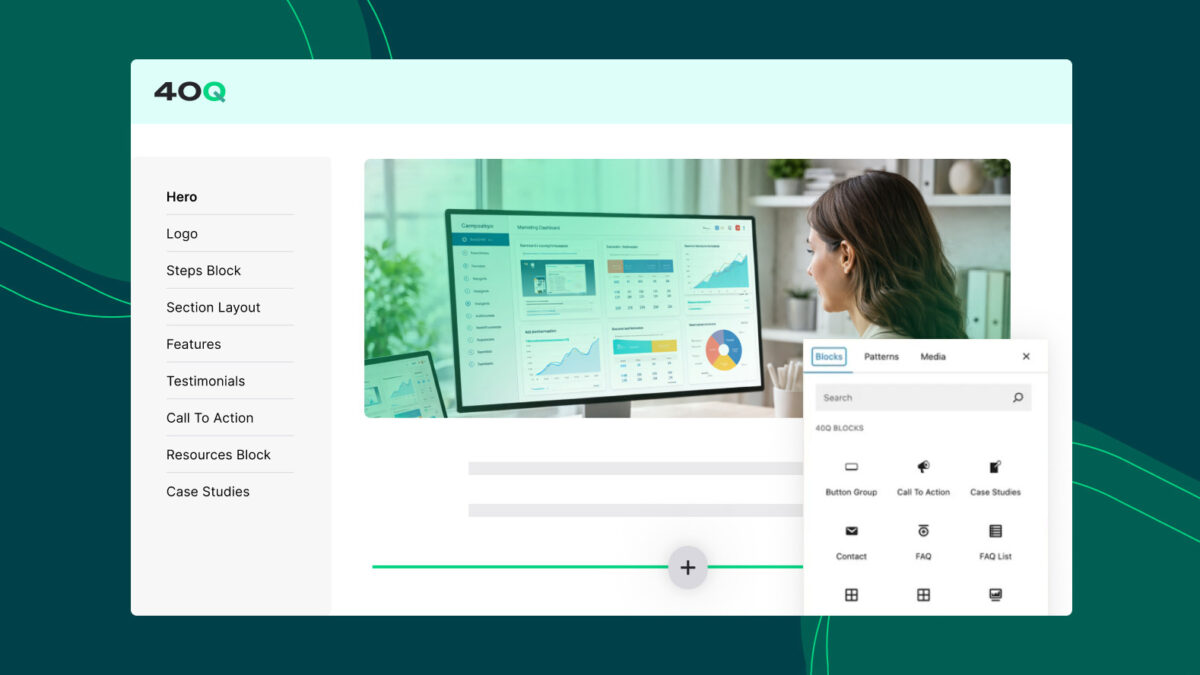
Drupal can enforce strong structure, but many teams experience that structure as friction. WordPress can provide governance, permissions, reusable blocks, and brand consistency while still giving marketing teams the autonomy to move quickly.

Faster, More Flexible Growth Stack

For many enterprises, the goal is not maximum CMS complexity. It is a system that supports integrations, SEO, experimentation, analytics, and future AI workflows without slowing execution. WordPress is often the better fit for that operating model.

Deep Dive

WordPress vs Drupal. What actually changes at scale

WordPress Drupal
Architecture
Platform model
Open, marketer-friendly
Flexible, developer-heavy
Developer control
Talent availability
Broader
More specialized
Time to launch
Faster
Slower
Editorial experience
Ease of use
Higher
Lower
Publishing speed
Faster
Slower
Training overhead
Lower
Higher
Marketing autonomy
Structured content support
Governance
Permissions and workflows
Reusable patterns
Operational friction
Lower
Higher
Brand consistency
Performance and scale
Enterprise scalability
Performance overhead
Lower
Medium
SEO execution
Faster
More dependent on setup
High-traffic fit
Cost of ownership
Implementation cost
Lower
Higher
Maintenance overhead
Lower
Higher
Long-term TCO
Lower
Higher
Speed to ROI
Faster
Slower
Future flexibility
Higher
High, but heavier

Chosen by Teams That Need Autonomy

When Enterprise Governance and Marketing Speed Must Work Together

40Q helps organizations implement enterprise WordPress in a way that gives marketers autonomy, protects governance, and creates a stronger foundation for long-term growth.

ThreatModeler company logo
Ueno Bank company logo
Commvault company logo
Everest Group company logo

ENTERPRISE WORDPRESS EXAMPLE

What Teams Usually Gain When Moving from Drupal to WordPress

Many teams choose Drupal for flexibility and control, but over time the editorial experience, maintenance overhead, and development dependency can slow marketing execution.
Enterprise WordPress changes the operating model. Publishing becomes faster. Governance becomes easier to scale. Technical teams keep control without forcing every content update through developers.
The result is a CMS that better supports marketing autonomy and long-term growth.

What Changes After the Switch

Operational Gains That Compound Over Time

Comparing CMS Options?

Run the Marketing Autonomy Assessment

Evaluate editorial friction, governance maturity, scalability, integration complexity, and long-term operational risk before choosing your next CMS.

Decision Clarity

Common Questions About WordPress vs Drupal

Choosing between WordPress and Drupal affects publishing velocity, technical overhead, governance, and long-term CMS flexibility. These are the questions enterprise teams usually ask before deciding.

Already Feeling CMS Friction?

See What Enterprise WordPress Looks Like When It’s Built for Autonomy

A CMS change is not only a rebuild. It is a chance to reduce operational drag, improve content velocity, and give marketing teams more control without losing governance.