
WordPress for the public sector and nonprofits
People find the service, not your org chart. AI reads every service you publish.
Each department, agency and chapter publishes its own pages on one accessible platform built around what residents and donors need to do. And we stay with your team after launch. For cities, counties, districts, public agencies and nonprofits.
What public web teams tell us
What we hear from city halls, agencies and nonprofits
Cities, agencies and nonprofits tend to end up with a site for every department, office, program or chapter. These are the five problems we read most often in their requests for proposals.
What 40Q builds
One platform, organized around what people come to do
Your communications team sets the look, the rules and who can publish where, once. Departments, agencies and chapters leave their separate sites, move onto one platform and publish inside those rules.
-
“Residents can’t find the right page.”
People come to do something: apply, pay, register or find a meeting. Menus built around the org chart make them guess which office owns it, and the same service is described on several sites. We build: navigation organized around the tasks people come to do; programs, services, meetings and documents as structured content, so one update shows everywhere; and a site search that reads those fields, tuned so the key tasks come first.
-
“The federal accessibility deadline is on our calendar, and we can’t tell which pages pass.”
The Justice Department’s ADA Title II rule requires state and local government websites to meet WCAG 2.1 AA: by April 26, 2027 for governments serving 50,000 people or more, and by April 26, 2028 for smaller ones and special districts. Checking page by page never catches up with hundreds of editors. We build: accessibility into the blocks themselves (headings, contrast, alt text and keyboard use) to WCAG 2.1 AA, with every staging build scanned and key flows tested by keyboard and screen reader. More on accessibility.
-
“Every routine edit waits for a vendor.”
A meeting notice, a service change or a new form waits for a contractor, so pages fall out of date. We build: permissions by department: staff edit and publish from a shared set of blocks, communications approves what needs approval, and each department edits only its own pages.
-
“Our forms, payments and agendas live in other systems.”
Payments, permits, meeting agendas, maps and library catalogs already run on their own systems, and rebuilding them inside the website adds cost and risk. We build: connections to the systems you keep, by API, embed or link. Each one is listed in the diagnosis and confirmed before any build is priced.
-
“The appeal went out before the donation page was ready.”
Nonprofits run lean, and the people who write an appeal are often the ones who have to publish it. We build: campaign and appeal templates from approved blocks, with the donation form connected to your donor CRM, so a small team can launch an appeal on its own.
Public sector and nonprofit work
Who we work with in the public sector and nonprofits
We work with a municipal government in Argentina on its website, and on nonprofit sites through partner agencies.
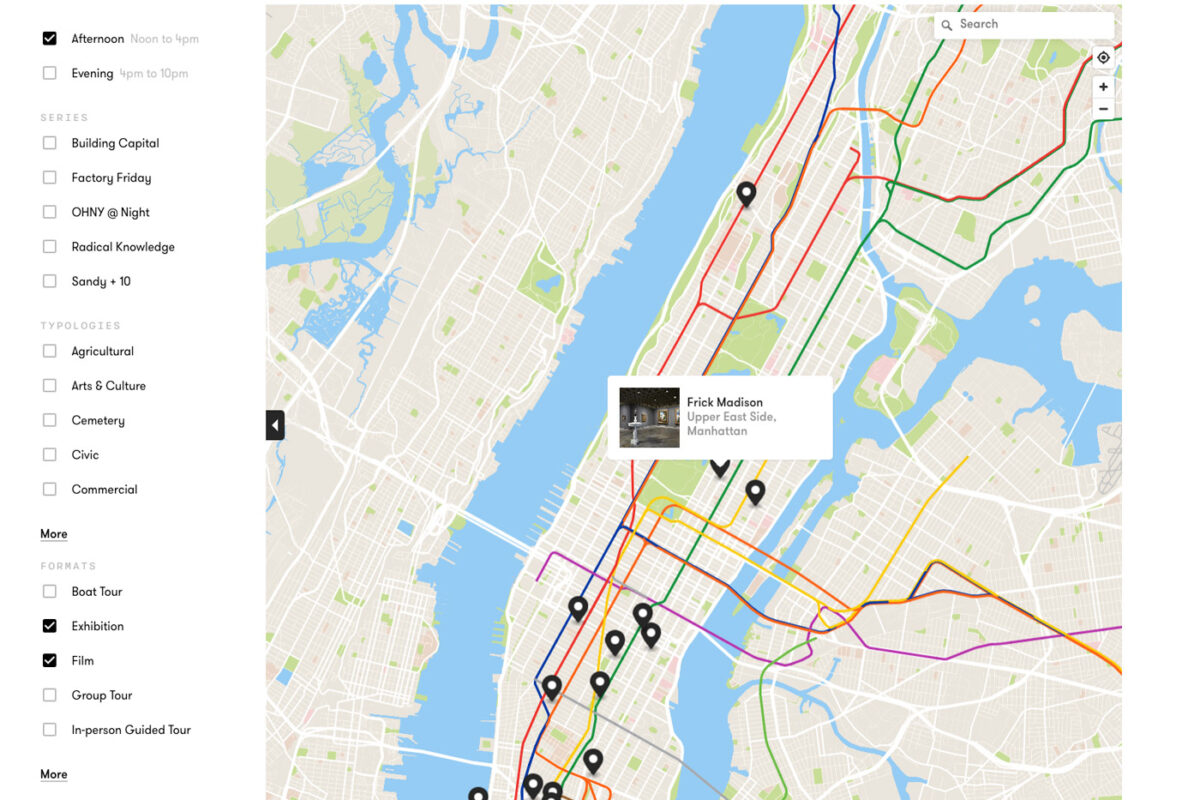
Open House New York. For its annual architecture festival, 40Q built a planner inside the WordPress site: visitor accounts with saved itineraries, every site on one map, fast filtering across the program, and a fair, automated draw for venues with limited places.
City and government offices and nonprofits face the same problem: many teams, one standard, and residents or donors who need to find things quickly.
FAQ
What public agencies and nonprofits ask us
The questions procurement, IT and communications raise before a contract is signed.
Next step
Publish on your own, with a partner after launch
In a 30-minute call, a WordPress engineer goes through your current sites with you: what residents and donors struggle to find, where accessibility falls short, and what belongs in the first phase. No deck, no sales pitch.