Enterprise CMS Comparison

WordPress vs Joomla for Enterprise Teams

Joomla is maintained and current. The question is what each major upgrade costs your team, and who can publish without a developer in between. Enterprise WordPress gives your editors governed blocks, a much larger ecosystem and upgrades that don’t restart the site.

Where Content Teams Gain Leverage

Why Teams Move From Joomla to WordPress

Joomla gives administrators fine-grained control. WordPress gives the people who own the message a way to publish it, with the same control kept in place.

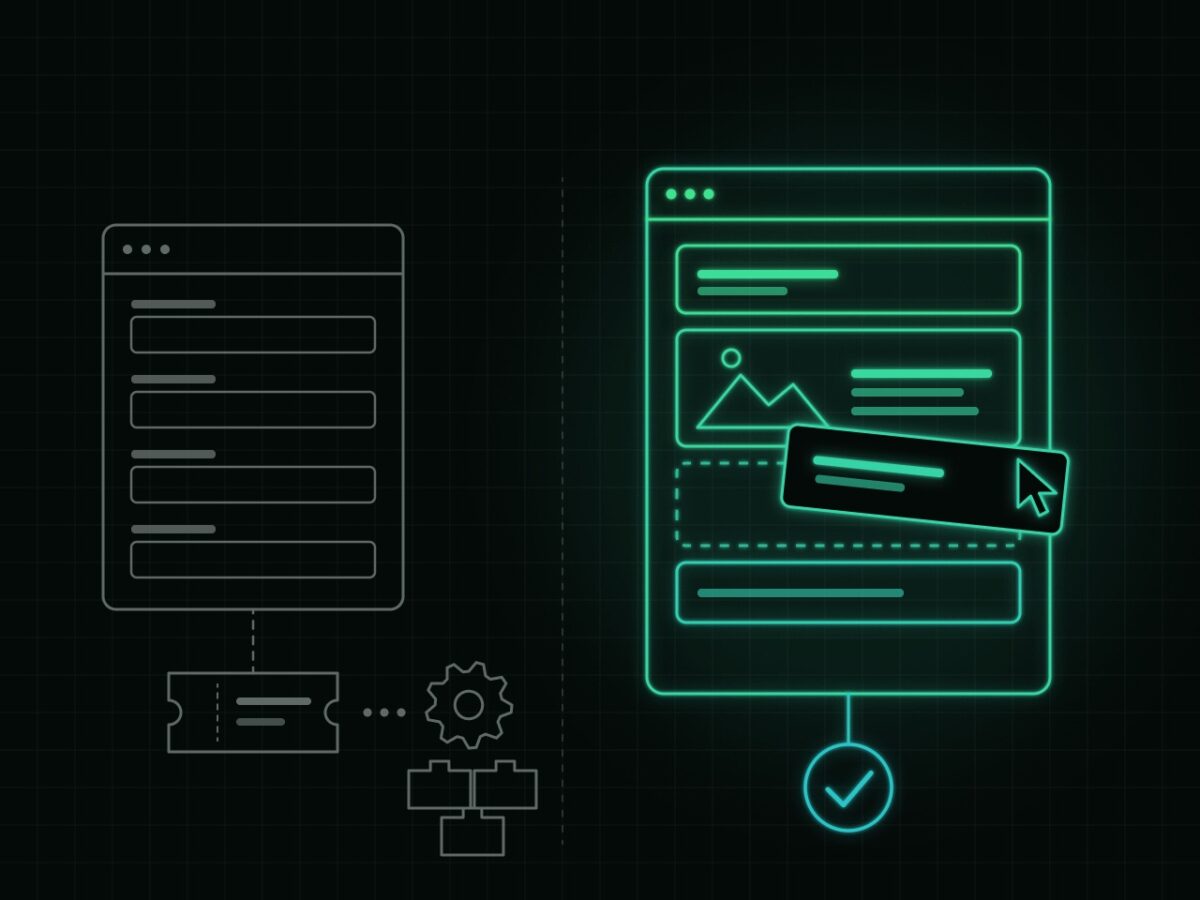
A form-based editor whose new layout waits at a developer ticket, beside a block editor where a block is dragged in and the page is published.

An editor built for marketing

In WordPress, editors build pages from approved blocks and see the result as they work. In Joomla, page layout usually lives in the template and its module positions, so layout changes tend to go to whoever manages the template.
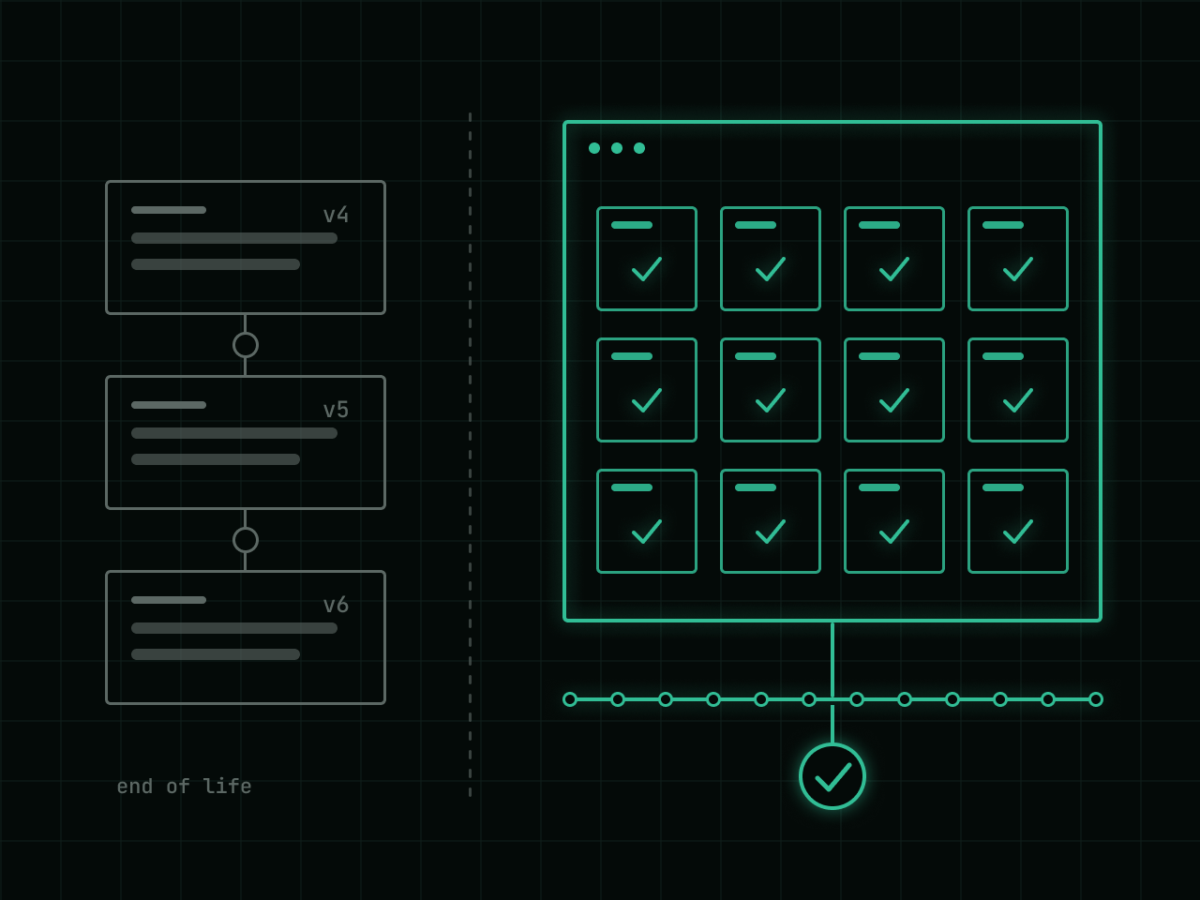
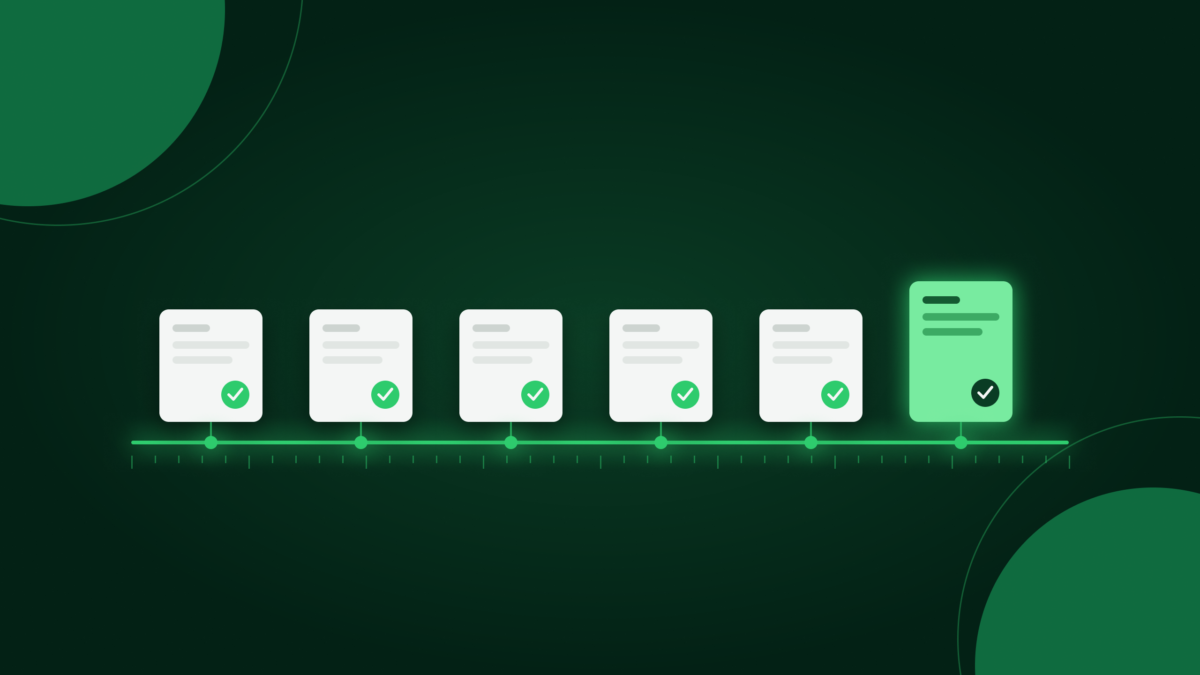
Three stacked site versions marked v4, v5 and v6 ending at end of life, next to a planned calendar of twelve months, each with a check.

Upgrades you plan, not projects you dread

Joomla moved through versions 4, 5 and 6 between 2021 and 2025, and each major version has an end-of-life date that templates and extensions must follow. WordPress ships regular releases on one line, and we plan each update into the monthly work.

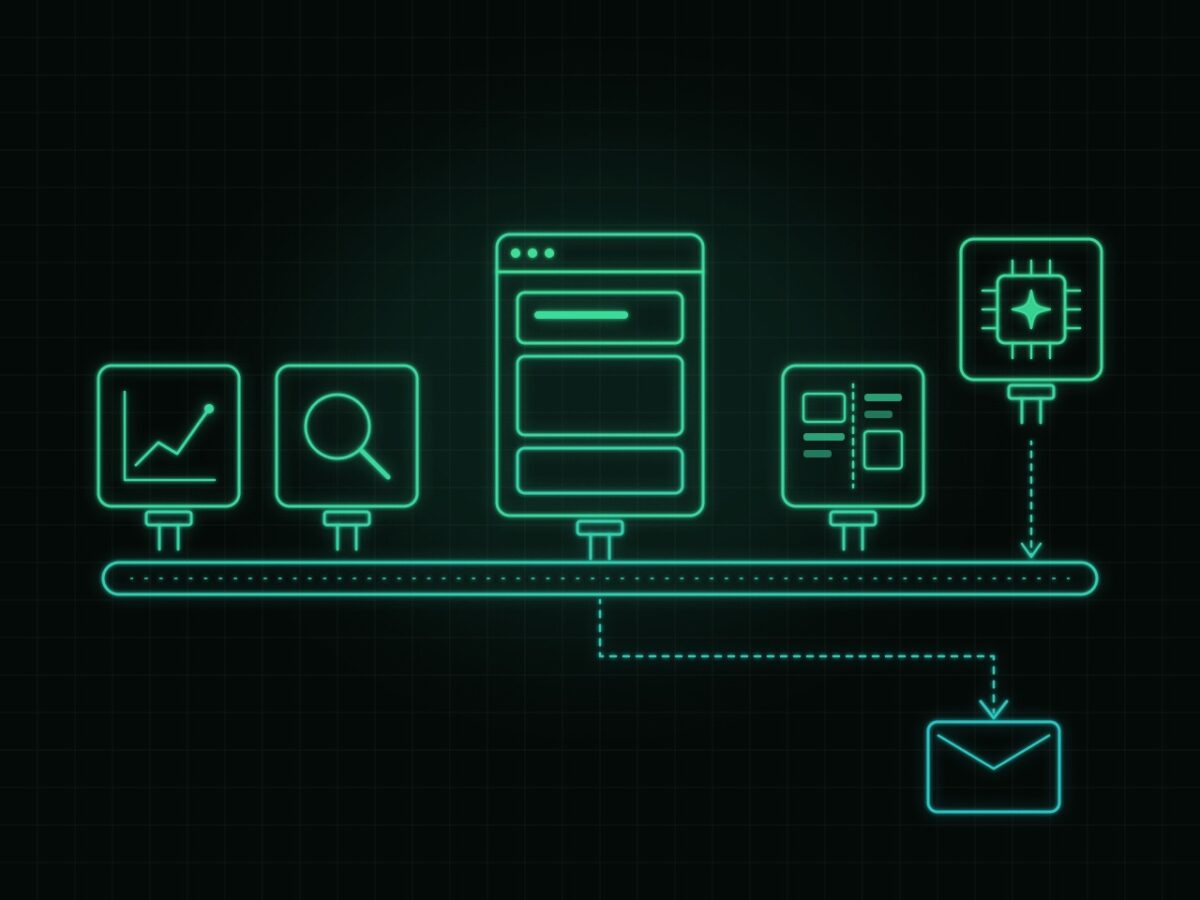
A content panel on a rail with analytics, search, A/B testing and AI modules plugged in, sending a campaign email out.

A larger ecosystem to hire from

WordPress runs 39.5% of all websites and Joomla 2.4% (W3Techs, November 2026). More sites means more developers, more maintained plugins and more integrations already built for the tools you use.

Deep Dive

WordPress vs Joomla. What actually changes at scale

WordPress Joomla
Platform
Release model
How the platform moves forward over time.
Regular releases on one major line
A new major series every two years (4.x, 5.x, 6.x), each with an end-of-life date
Current support
What the official roadmap says today.
Current release line maintained
6.x to 16 Oct 2029; 5.x security only to 12 Oct 2027
Share of websites
W3Techs, 3 November 2026.
39.5%
2.4%
Editorial experience
Page building
How a new page or layout gets made.
Editors assemble approved blocks
Article editor; layout set by template and module positions
Marketing autonomy
Publishing without a developer in the loop.
High, within governed blocks
Depends on the template or a builder extension
Governance
Editorial roles
Who can edit and publish each section.
Approval workflows
Review steps before content goes live.
Yes, configured per team
Yes (Workflows, since Joomla 4)
Reusable patterns
Approved components teams reuse.
Blocks and patterns
Modules and template overrides
Cost of ownership
Major upgrades
What a new major version means for the site.
Planned updates in the monthly work
Template and extensions updated for each major
Talent availability
Hiring and partner options.
Largest pool
Smaller pool

Chosen by Teams That Need Autonomy

When Governance and Marketing Speed Must Work Together

40Q implements enterprise WordPress so marketers publish on their own, governance holds, and the platform keeps up with the business.

  • ThreatModeler
  • Ueno Bank
  • Commvault
  • Everest Group
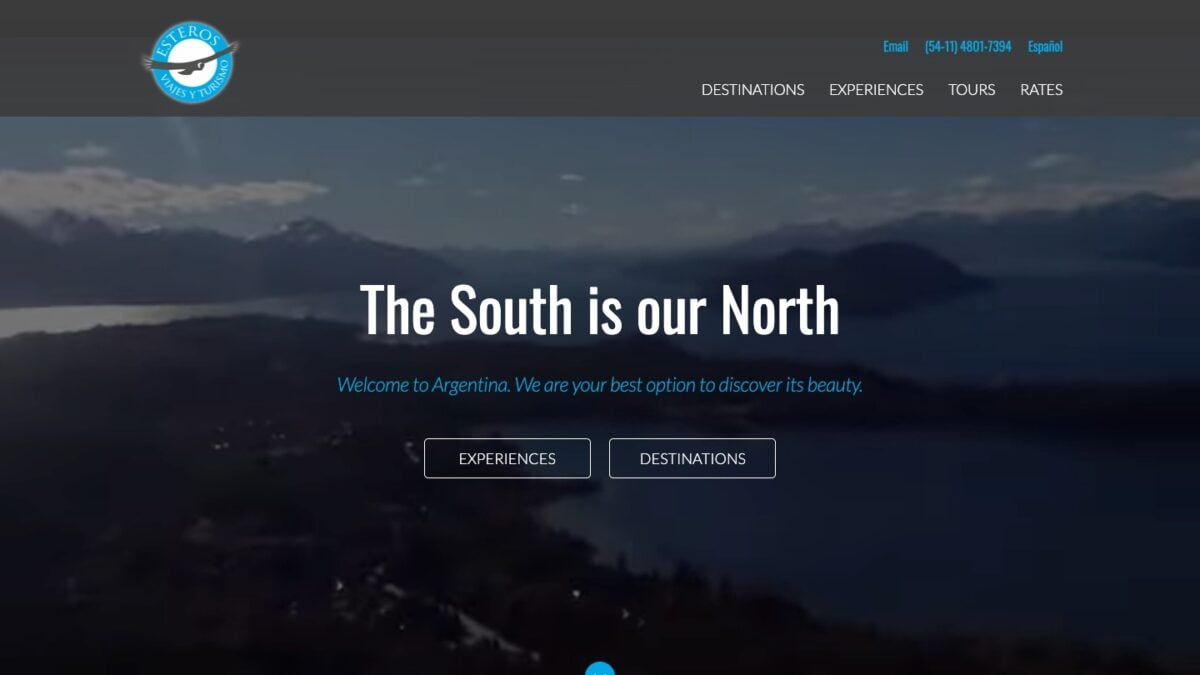
Esteros Viajes home page on WordPress: "The South is our North" over a landscape

Migration example

Esteros Viajes: from Joomla to a bilingual WordPress site

Esteros Viajes, a Buenos Aires travel company, moved its website from Joomla to WordPress. Today the site runs in English and Spanish.

It also has an online rates system: customers register to see the current rates list, and the team saves significant time on rate requests.

What Changes After the Switch

Operational Gains That Compound Over Time

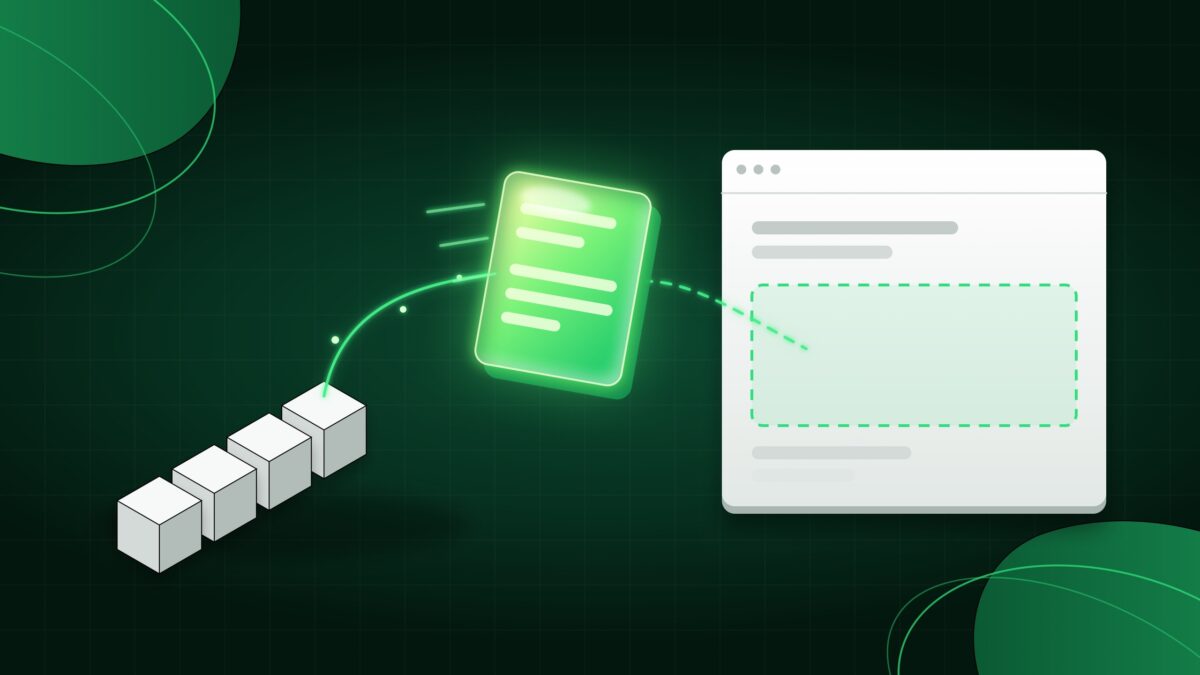
A glowing page tile leaves a row of blocks and lands in a browser window.

Faster Publishing

Marketing teams can create and update pages faster with a more intuitive publishing experience and fewer developer dependencies.

Leaving Joomla

Already decided? See how a migration runs

Three steps: a full crawl and URL map first, a parallel build while Joomla stays live, then cutover with rollback ready.

Decision Clarity

Common Questions About WordPress vs Joomla

Moving off Joomla affects your editors, your upgrades and your search traffic. These are the questions teams ask before deciding.

Weighing the next Joomla upgrade?

See What Enterprise WordPress Looks Like When It’s Built for Autonomy

Before you plan another major upgrade, compare it with a move. In 30 minutes an engineer looks at your site and tells you what each path would involve.