Enterprise CMS Comparison

WordPress vs Oracle WebCenter Sites for Enterprise Teams

WebCenter Sites 12c leaves Oracle Premier Support in December 2026, and the path Oracle offers is an upgrade to 14c. Before you plan that project, compare it with a move to a platform your editors run themselves, without a license fee and with the largest talent pool on the web.

Where Content Teams Gain Leverage

Why Teams Move From WebCenter Sites to WordPress

WebCenter Sites gives large organizations a governed content server. WordPress gives the people who own the message a way to publish it, with the same governance kept in place.

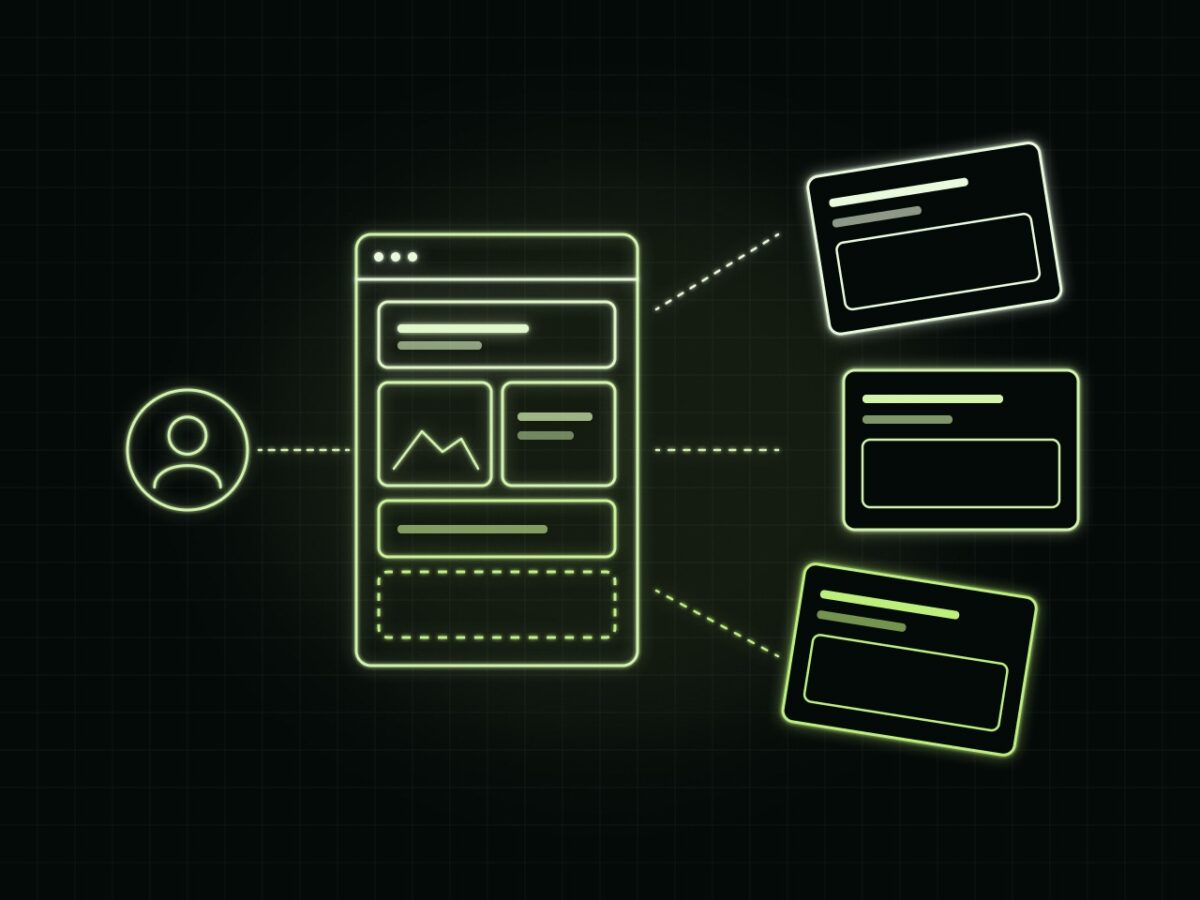
A person at a block editor sends several pages out at once.

Editors who publish without a ticket.

In WordPress, editors build pages from approved blocks and see the result as they work. In WebCenter Sites, page templates are developer code, so a new layout usually starts as a request to the team that maintains them.
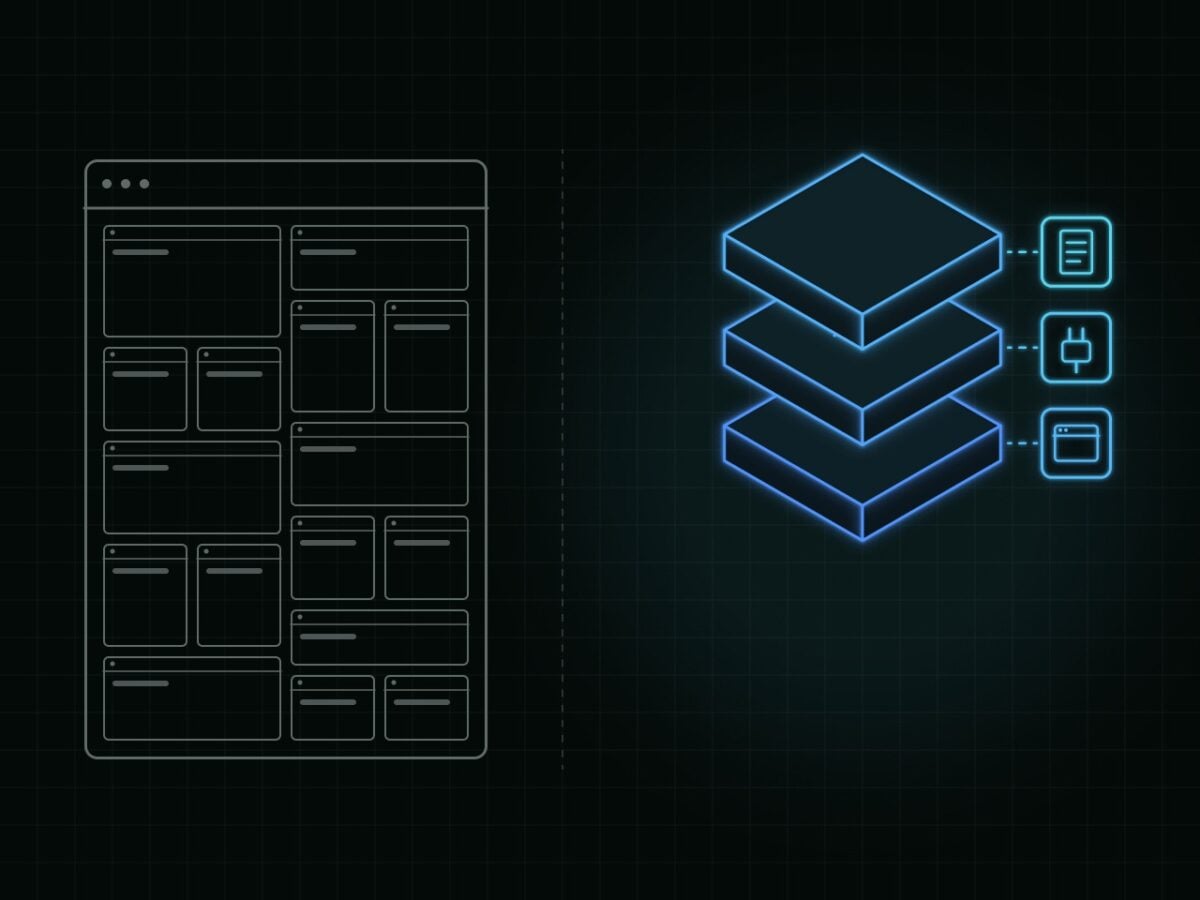
A portal frame crowded with small application windows, beside a slim three-layer stack.

No middleware upgrade to plan around.

Oracle Fusion Middleware 12c, the line WebCenter Sites 12.2.1.4 runs on, ends Premier Support in December 2026 and Extended Support in December 2027. Moving to 14c is an upgrade of the application and the stack beneath it. WordPress updates are planned into the monthly work.

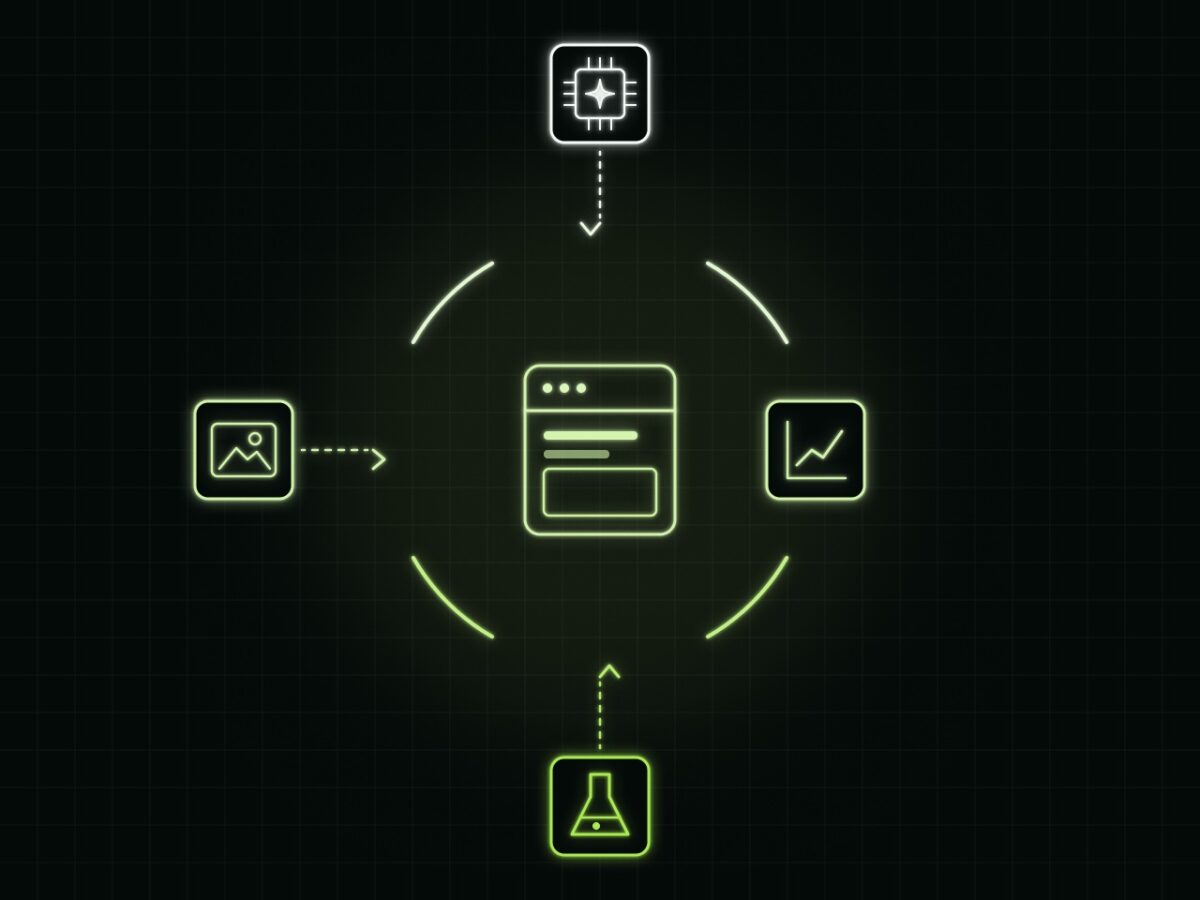
An open ring where analytics, testing, media and AI modules snap into place.

Open source, and people to hire.

WordPress has no license fee and runs 39.5% of all websites (W3Techs, November 2026). That means more developers, more partners and more integrations already built, where WebCenter Sites work draws on a much smaller specialist pool.

Deep Dive

WordPress vs Oracle WebCenter Sites. What actually changes at scale

WordPress Oracle WebCenter Sites
Platform
Origin
Where the product comes from.
Open source, community and companies
FatWire Content Server, bought by Oracle in 2011
Current support
What the vendor says today.
Current release line maintained
12c: Premier to Dec 2026, Extended to Dec 2027
Next step on the vendor path
What staying requires.
Planned updates in the monthly work
Upgrade to 14c (14.1.2)
License
What you pay to run the software.
No license fee (GPL)
Oracle license and annual support
Editorial experience
Page building
How a new page or layout gets made.
Editors assemble approved blocks
Developer-built templates; new SiteBuilder in 14c
Marketing autonomy
Publishing without a developer in the loop.
High, within governed blocks
Depends on the templates built for you
Editing interface
What editors work in.
Visual block editor
Contributor UI; optional Redwood UI in 14c
Governance
Editorial roles
Who can edit and publish each section.
Approval workflows
Review steps before content goes live.
Configured per team
Multisite and languages
Many sites and languages from one platform.
Ecosystem and talent
Extensions
Ready-made features you don’t build.
Largest free plugin directory
Custom development, mostly Java
Talent availability
Hiring and partner options.
Largest pool
Specialist pool
Share of websites
W3Techs, 3 November 2026.
39.5%
Not measured
Cost of ownership
Version upgrades
What a new major version means.
Planned updates, no replatform
Application and middleware upgrade
Structured data for AI
Content AI assistants can read and cite.
Schema built into the content model
Depends on custom templates

Chosen by Teams That Need Autonomy

When Governance and Marketing Speed Must Work Together

40Q implements enterprise WordPress so marketers publish on their own, governance holds, and the platform keeps up with the business.

  • ThreatModeler
  • Ueno Bank
  • Commvault
  • Everest Group
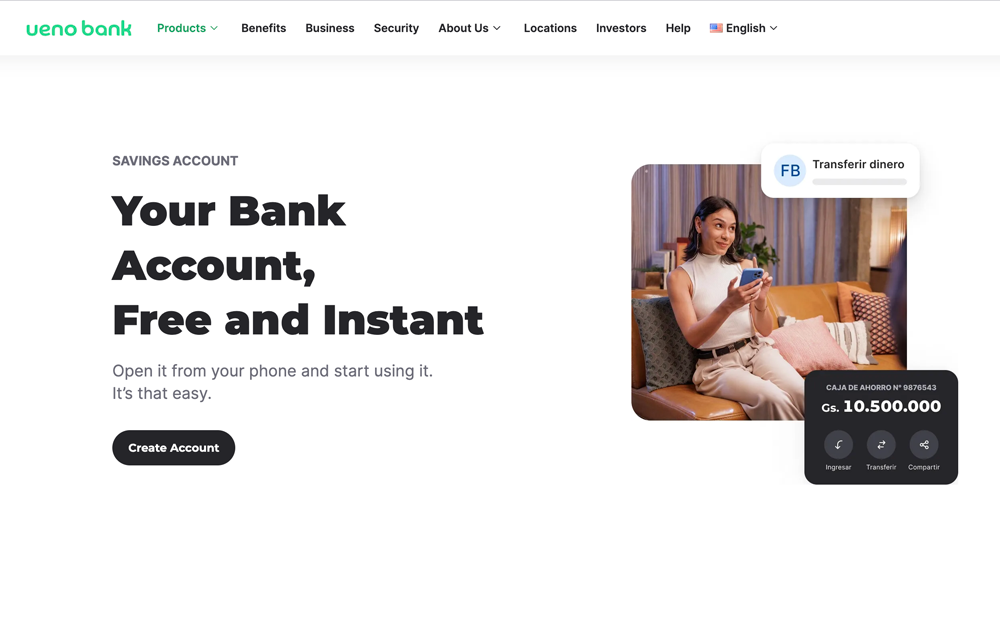
Ueno Bank website

Enterprise migration example

Not Oracle, the same problem: how Ueno Bank left a Java portal

Ueno Bank, a digital bank in Paraguay, moved from Liferay, another Java enterprise platform, to WordPress VIP.

The move gave marketing an operating model it runs itself, with enterprise governance kept in place. It launched in weeks, and marketing now publishes in Spanish and English without waiting on development.

What Changes After the Switch

Operational Gains That Compound Over Time

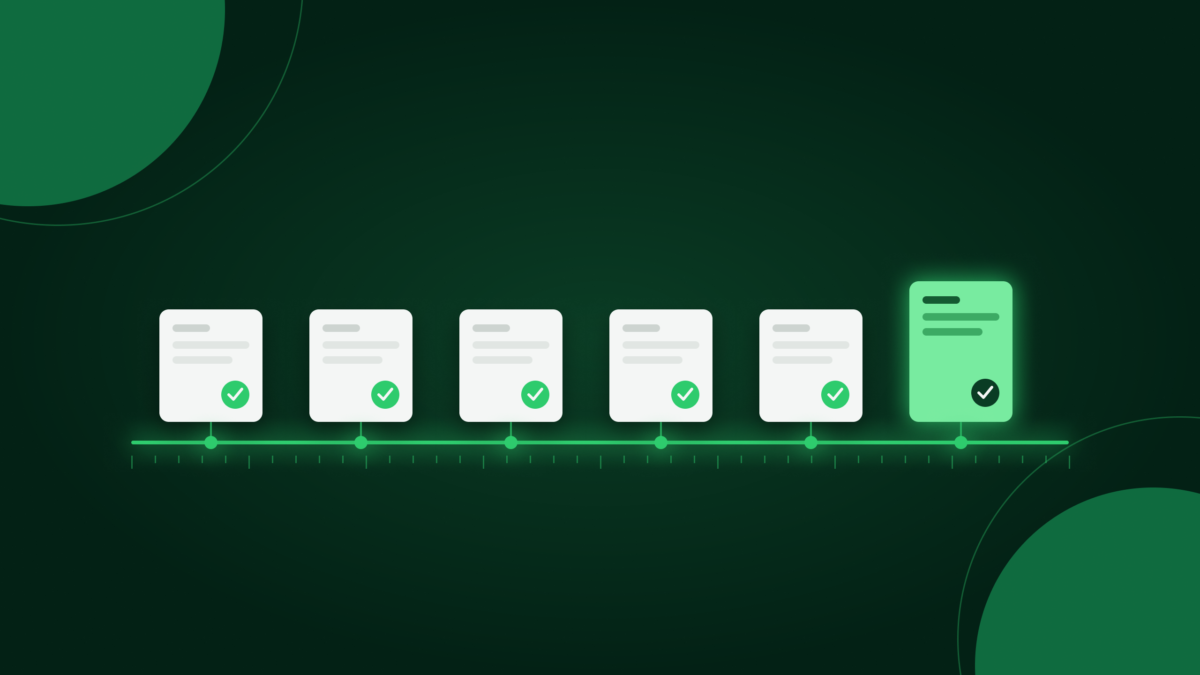
A glowing capsule carrying a page slides along a straight track through gates that open as it passes.

Faster Publishing

Marketing teams create and update pages from approved blocks, without waiting for a developer to write a new template.

Leaving WebCenter Sites

Already decided? See how a migration runs

Three steps: a full crawl, asset inventory and URL map first, a parallel build while WebCenter Sites stays live, then cutover with rollback ready.

Decision Clarity

Common Questions About WordPress vs WebCenter Sites

Leaving WebCenter Sites affects your editors, your budget and your search traffic. These are the questions teams ask before deciding.

Facing the 14c upgrade?

See What Enterprise WordPress Looks Like When It’s Built for Autonomy

Before you sign off on the upgrade, compare it with a move. In 30 minutes an engineer looks at your WebCenter Sites setup and tells you what each path would involve.