Enterprise CMS Comparison

WordPress VIP vs Liferay for Enterprise Teams

Liferay is often chosen for complex portals and enterprise application ecosystems, but that power usually comes with heavier implementation overhead, slower content operations, and more dependency on technical teams. WordPress VIP gives enterprise organizations a faster, more flexible, and more marketing-friendly foundation for scalable digital experiences.

Where Enterprise Teams Gain Operational Advantage

Why Enterprise Teams Often Choose WordPress VIP Over Liferay

Liferay often fits portal-heavy ecosystems. WordPress VIP fits enterprise teams that need speed, governance, and marketing autonomy without unnecessary platform drag.

A page, a banner and a landing page launch from an editor while a developer gear sits idle.

Faster Publishing Operations

WordPress VIP is built for enterprise publishing workflows. Marketing teams can launch pages, campaigns, and updates faster with less dependence on developers. Liferay often requires a heavier technical model even for routine content operations.
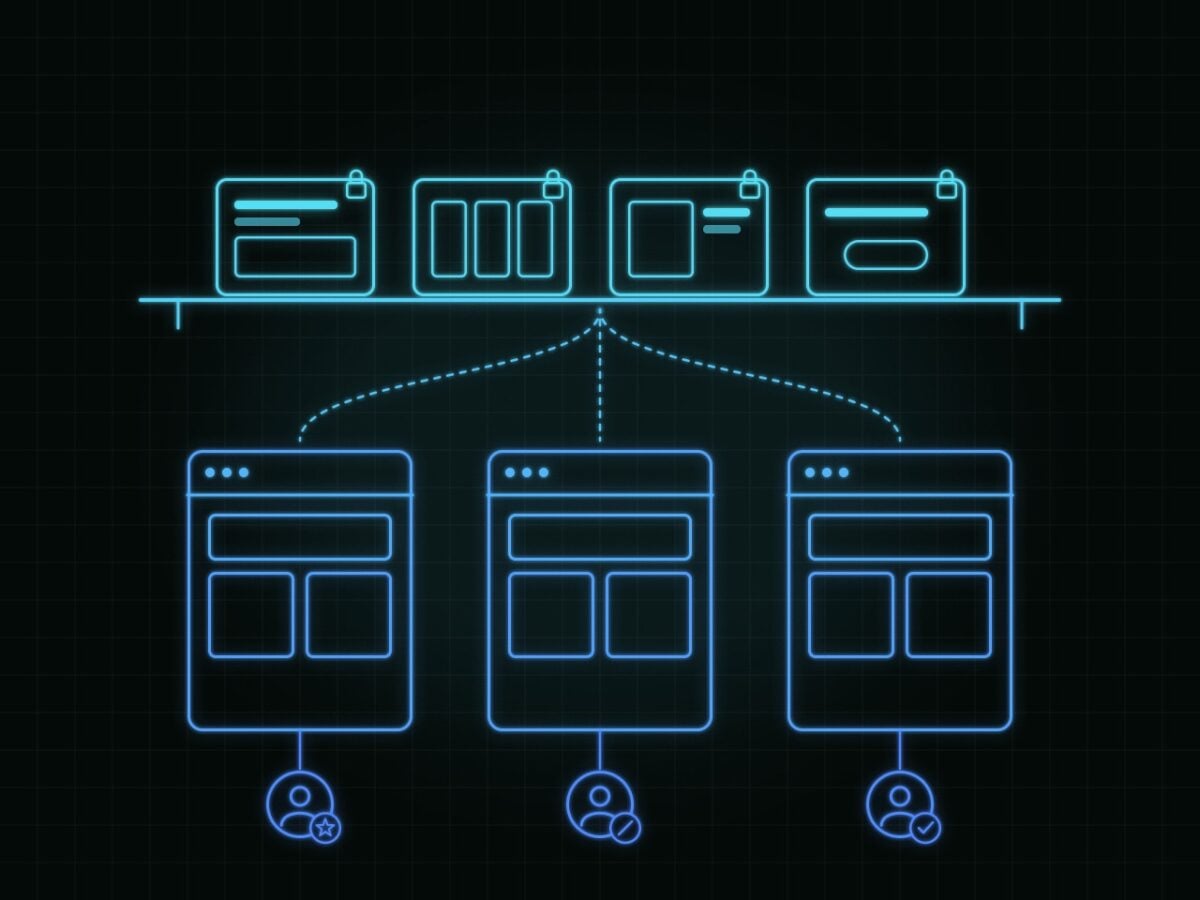
A shelf of locked pattern blocks feeding three editors, each with a role badge.

Governance Without Platform Friction

Liferay can support governance, but many organizations experience that governance through complexity, process, and specialist dependency. WordPress VIP supports enterprise-grade permissions, reusable patterns, and controlled workflows while remaining far easier for content teams to use.

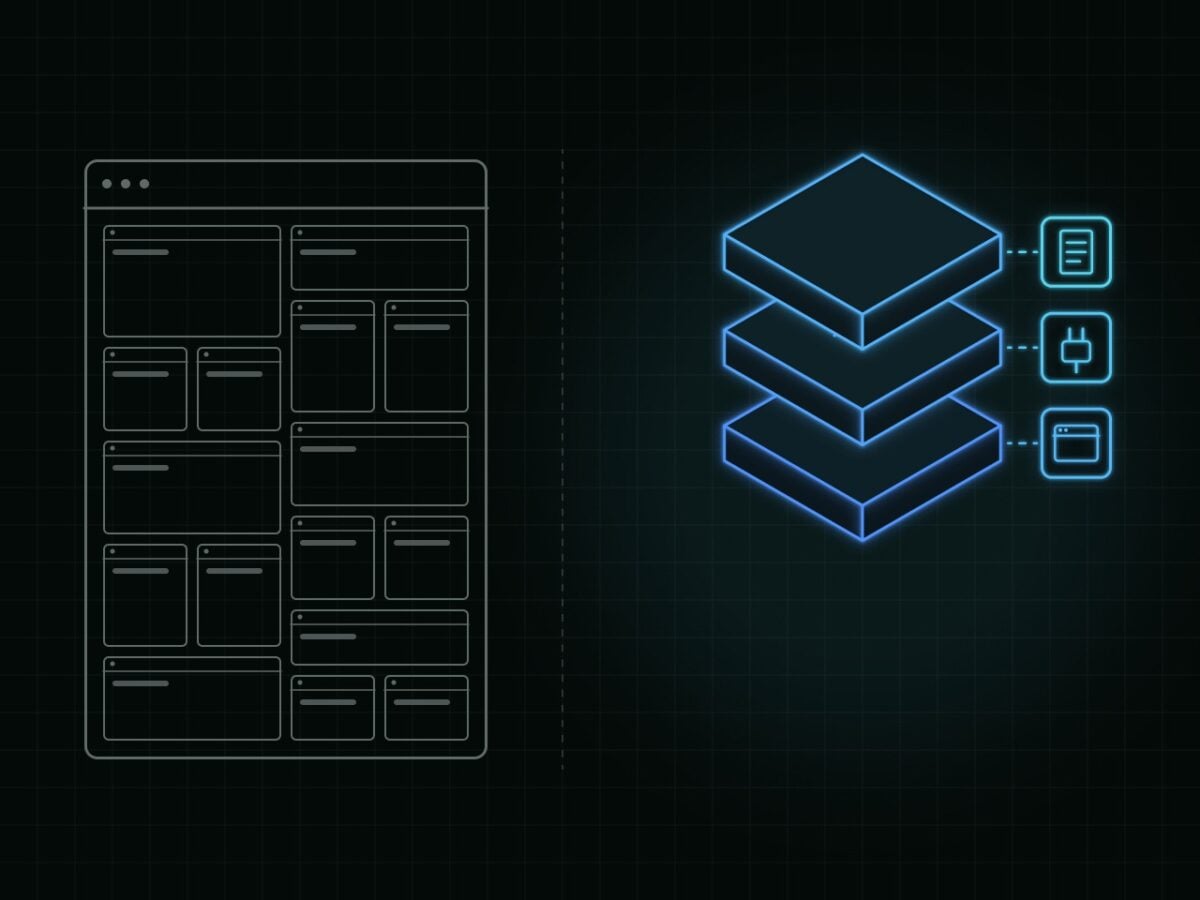
A portal frame crowded with small application windows, beside a slim three-layer stack.

Lower Operational Complexity

Enterprise teams do not always need a portal platform to run a public-facing digital experience. WordPress VIP gives organizations a more practical foundation for integrations, analytics, experimentation, and future AI workflows without the same implementation burden and long-term operational drag.

Deep Dive

WordPress VIP vs Liferay. What actually changes at enterprise scale

WordPress VIP Liferay
Platform model
Primary fit
What the platform is fundamentally optimized to do.
Enterprise publishing platform
Portal and DXP platform
Marketing website fit
How naturally the platform fits public-facing marketing and content operations.
Stronger
Heavier than needed in many cases
Vendor complexity
How much platform and implementation overhead teams typically absorb.
Lower
Higher
Talent availability
How easy it is to hire, scale, and replace platform expertise.
Broader ecosystem
More specialized
Editorial experience
Publishing speed
How quickly enterprise teams can create and publish pages, campaigns, and updates.
Faster
Slower
Marketer usability
How intuitive the platform feels for non-technical content teams.
Higher
Lower
Training overhead
How much onboarding and process load editors usually require.
Lower
Higher
Marketing autonomy
Whether marketing teams can move quickly without constant technical support.
Governance
Permissions and workflows
Support for enterprise governance, roles, approvals, and publishing controls.
Reusable patterns
How easily teams can standardize layouts and content patterns across the organization.
Governance friction
How much process and specialist dependency governance typically introduces.
Lower
Higher
Performance and scale
Enterprise scalability
Capability to support enterprise-grade traffic, governance, and reliability.
Go-to-market speed
How quickly teams can move from planning to live execution.
Faster
Slower
Operational overhead
How much ongoing technical and organizational effort the platform typically demands.
Lower
Higher
Integrations and future fit
Martech fit
How naturally the platform supports modern marketing operations and tool integration.
Stronger for content-led stacks
Heavier enterprise integration model
AI-readiness
How practical the platform is for structured content workflows, automation, and AI-assisted operations.
Stronger editorial fit
More complex operational model
Cost of ownership
Implementation cost
Relative cost and effort required to implement and evolve the platform.
Lower
Higher
Maintenance overhead
How much engineering effort is typically required after launch.
Lower
Higher
Long-term TCO
Overall cost across implementation, maintenance, staffing, and operational drag.
Lower
Higher

Chosen by Teams That Need Enterprise Control

When Marketing Velocity and Enterprise Governance Must Coexist

40Q helps enterprise organizations implement WordPress the right way. Faster publishing for marketing teams. Strong governance for technical teams. A future-ready foundation for scalable growth.

  • ThreatModeler
  • Ueno Bank
  • Commvault
  • Everest Group
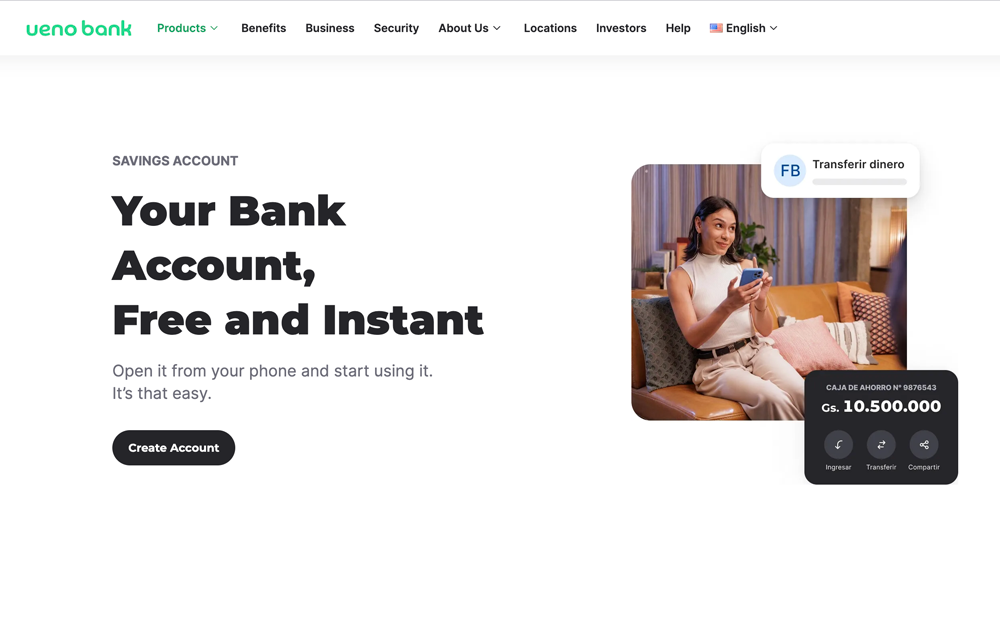
Ueno Bank savings account page

LIFERAY TO WordPress VIP EXAMPLE

From Liferay Complexity to WordPress VIP Agility

Ueno Bank migrated from Liferay to WordPress VIP to create a faster, more manageable, and more scalable digital platform for its team.

The shift was not only about changing CMS technology. It was about moving to an operating model that gives marketing more autonomy while preserving enterprise performance, governance, and long-term control.

The result is a platform better aligned to speed, usability, and future growth.

What Enterprise Teams Gain

Operational Advantages That Compound Over Time

A glowing capsule carrying a page slides along a straight track through gates that open as it passes.

Faster Publishing

WordPress VIP helps enterprise teams launch pages, campaigns, and updates faster by reducing editorial friction and limiting dependence on complex technical workflows.

Evaluating Liferay Alternatives?

Run the Enterprise CMS Fit Assessment

Evaluate editorial friction, governance maturity, platform complexity, integration needs, and long-term operational risk before choosing your next enterprise CMS.

Decision Clarity

Common Questions About WordPress VIP vs Liferay

Choosing between WordPress VIP and Liferay affects editorial autonomy, implementation complexity, cost, and long-term operational flexibility. These are the questions enterprise teams usually ask before deciding.

Considering a Move From Liferay?

See What Enterprise WordPress VIP Looks Like When It’s Implemented Correctly

A platform change is not only a migration. It is an opportunity to reduce operational drag, improve marketing autonomy, and give your enterprise a more flexible digital foundation.